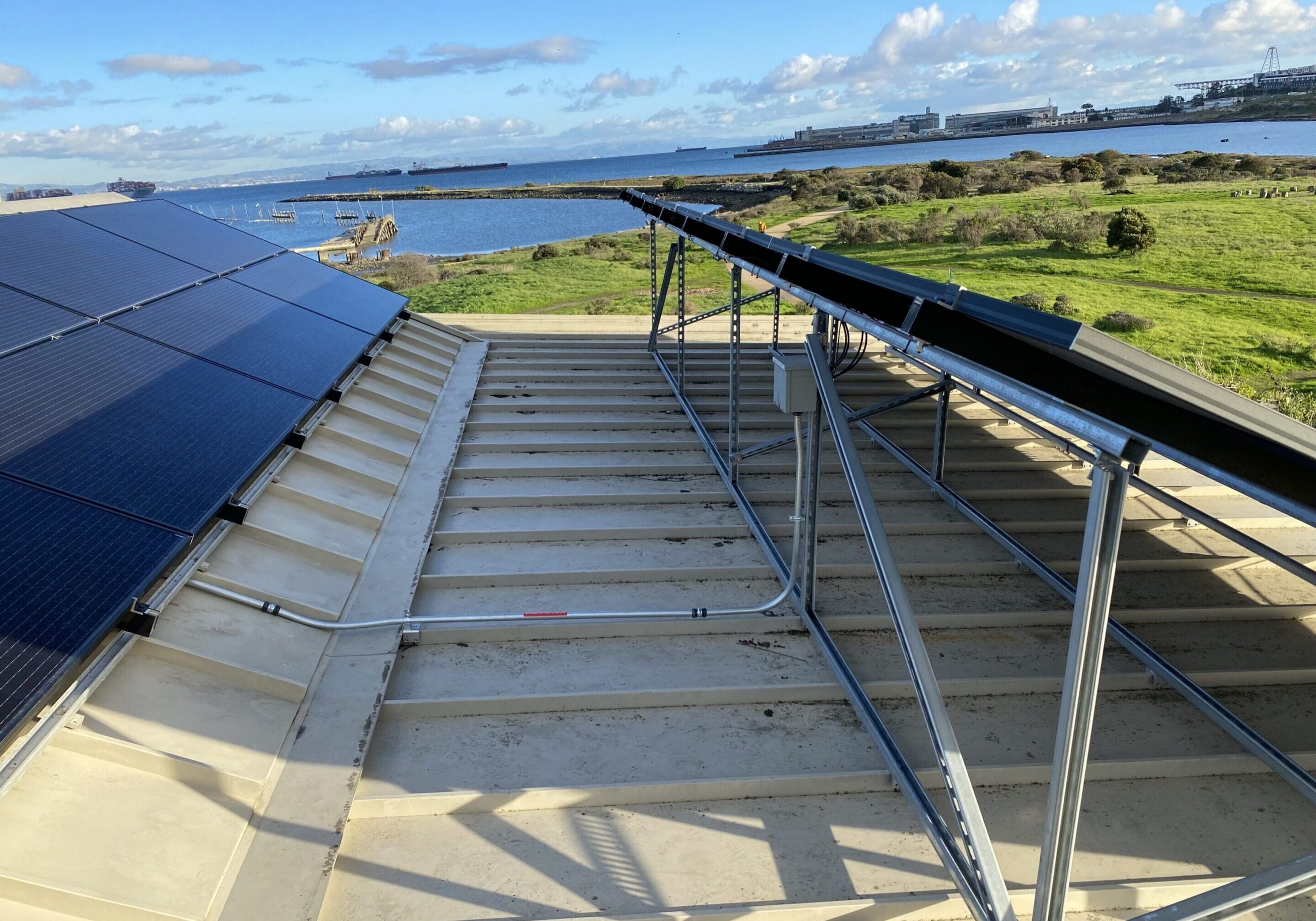
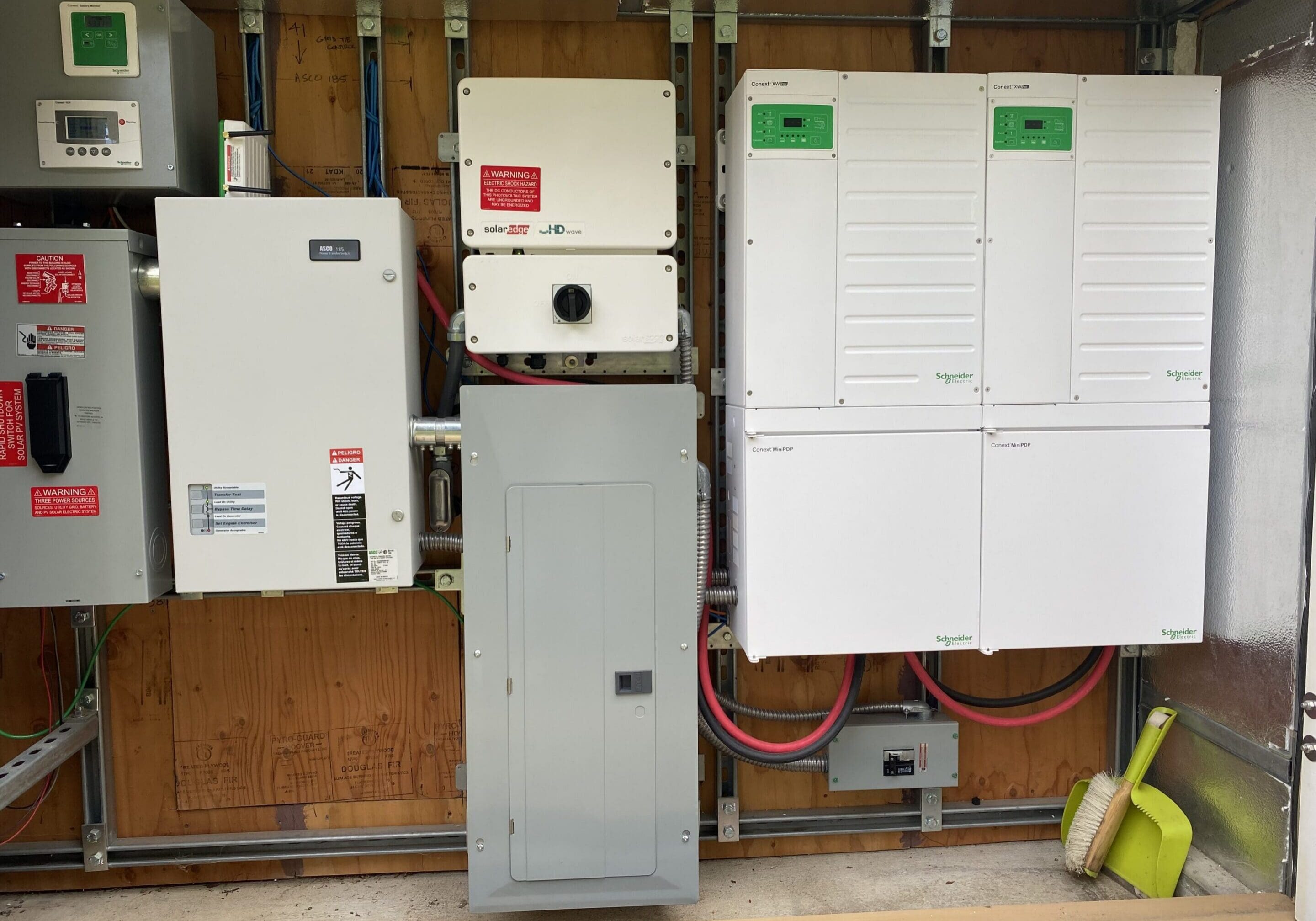
Why We Use String Inverters
Most solar proposals you receive will specify microinverters or power optimizers — electronics mounted beneath every module. Ours generally do not. Here is the reasoning,...
Five Questions to Ask Before You Sign a Commercial Solar Proposal
Commercial solar proposals are easy to compare on price and hard to compare on substance. These five questions surface the difference. Ask every contractor the...
What PG&E’s Pending Rate Case Means for Local Businesses
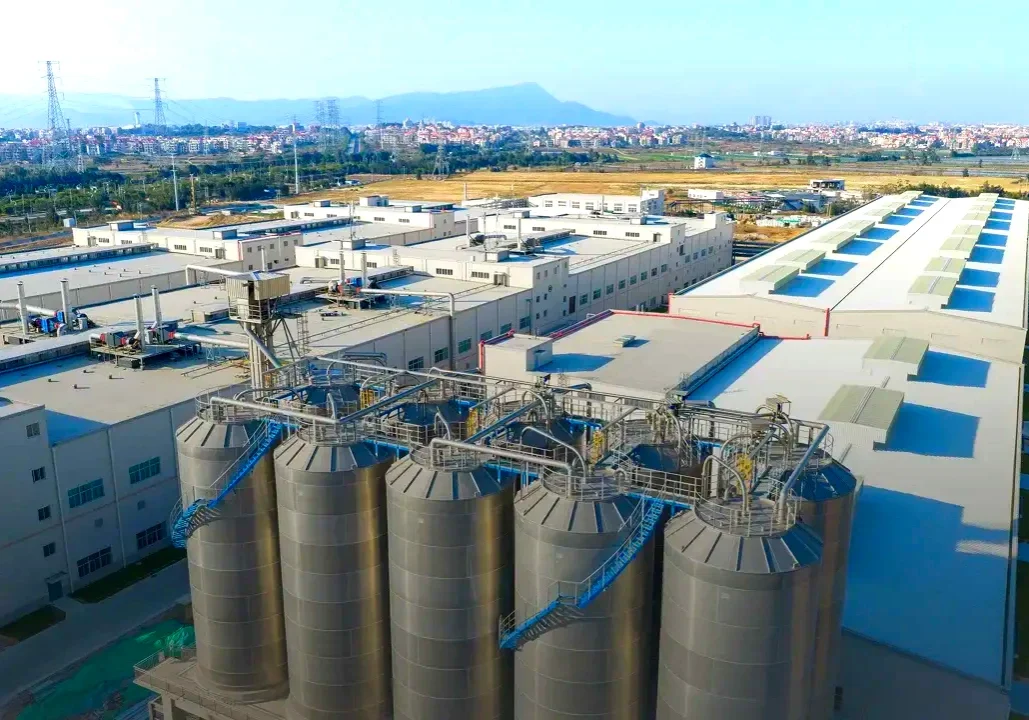
For restaurants, retail shops, farms and small offices across Lake and Sonoma County, electricity is one of the largest and fastest-growing operating expenses on the...

The 2027 Tax Credit Clock
The federal Investment Tax Credit for commercial solar ends on December 31, 2027. Not reduced — ended. And the date it must be met by...
What the New Solar Tariffs Mean for Your Quote
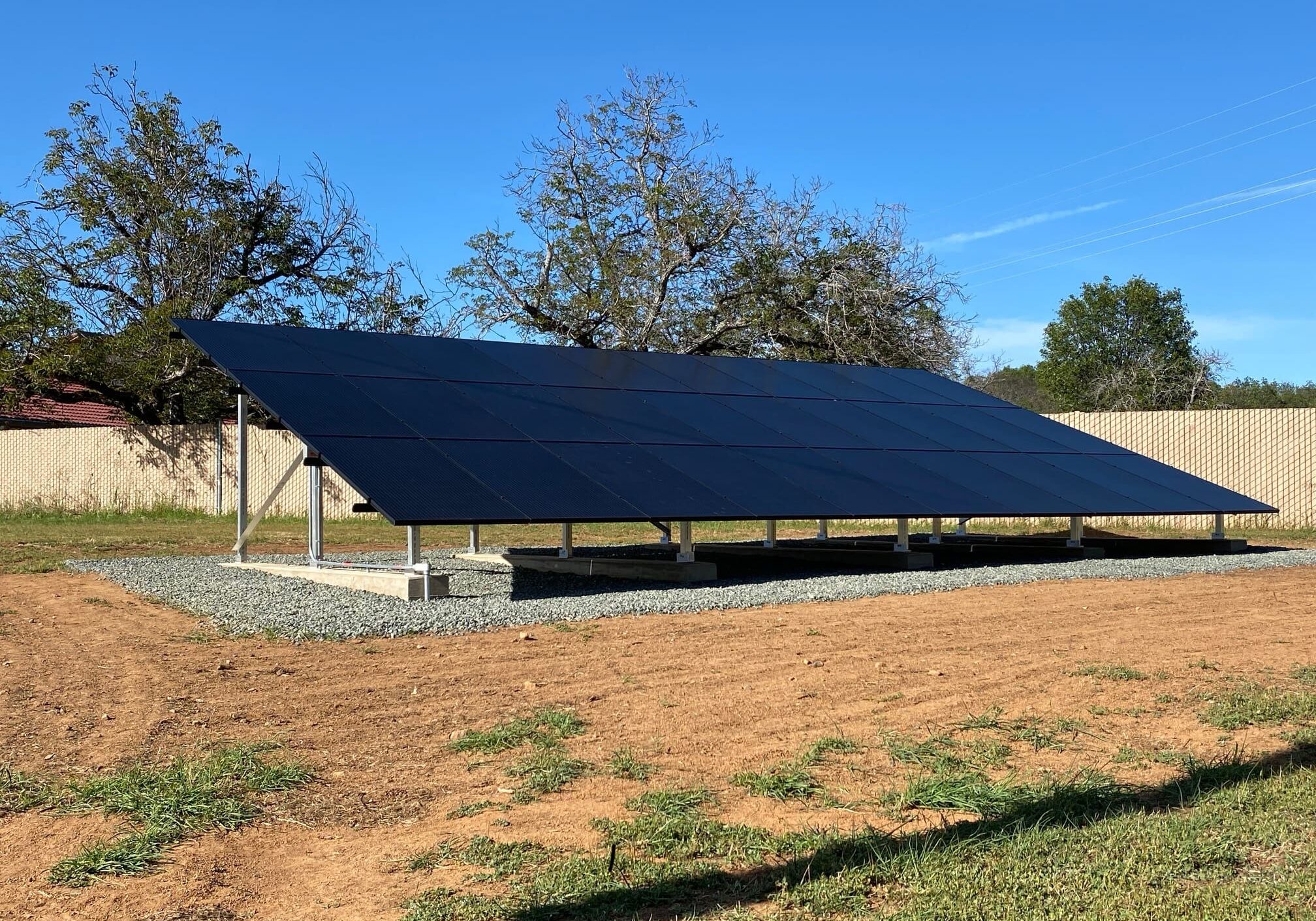
A Section 232 proclamation signed in August 2026 takes effect on December 4, 2026, and it will raise the cost of imported solar modules. Here...
Understanding California’s Net Energy Metering (NEM) Evolution
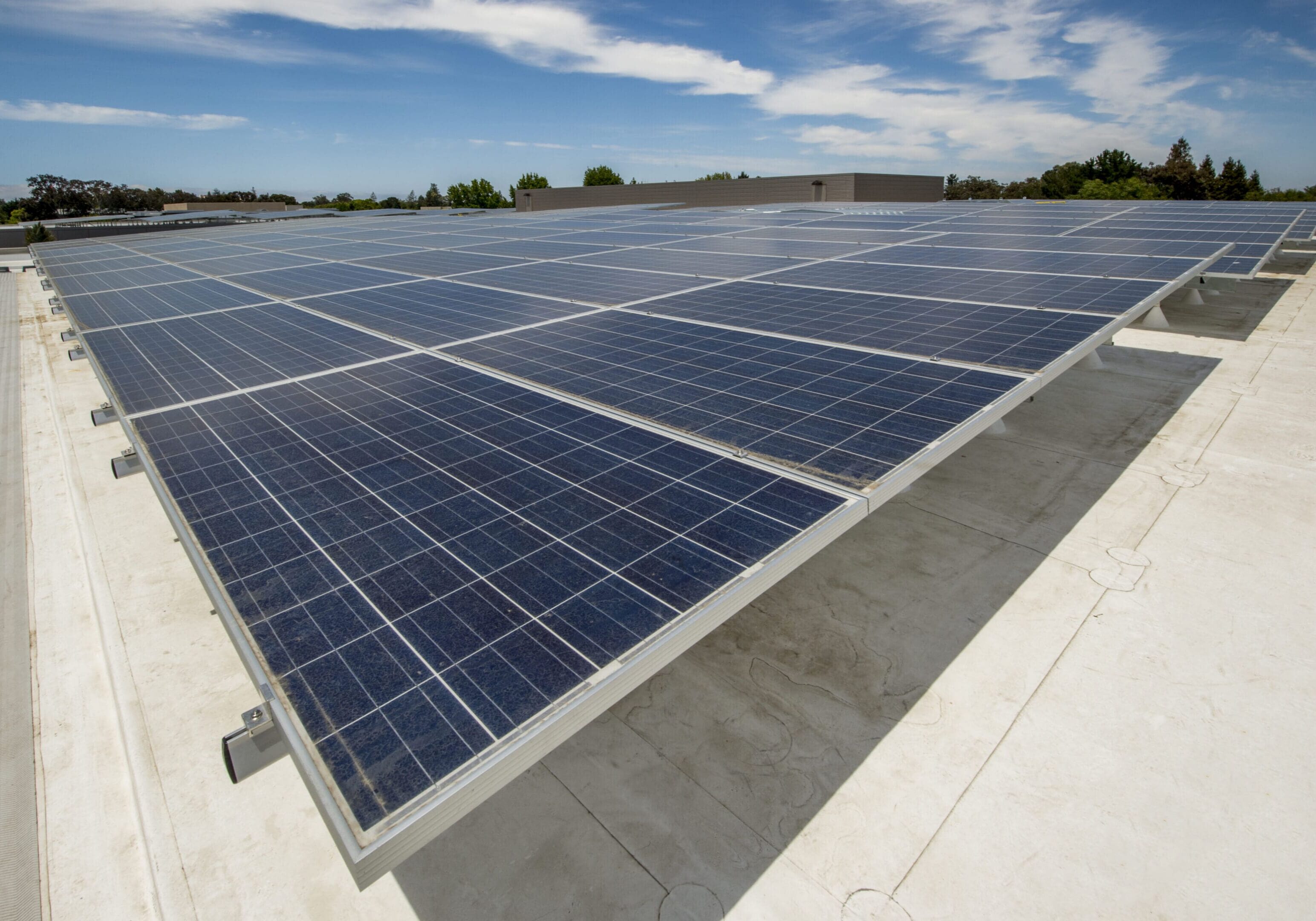
Why California's Solar Compensation Has Changed For nearly three decades, California has led the nation in encouraging customer-owned solar energy. As millions of solar panels...
Phase One Without Storage: When Batteries Pencil and When They Do Not
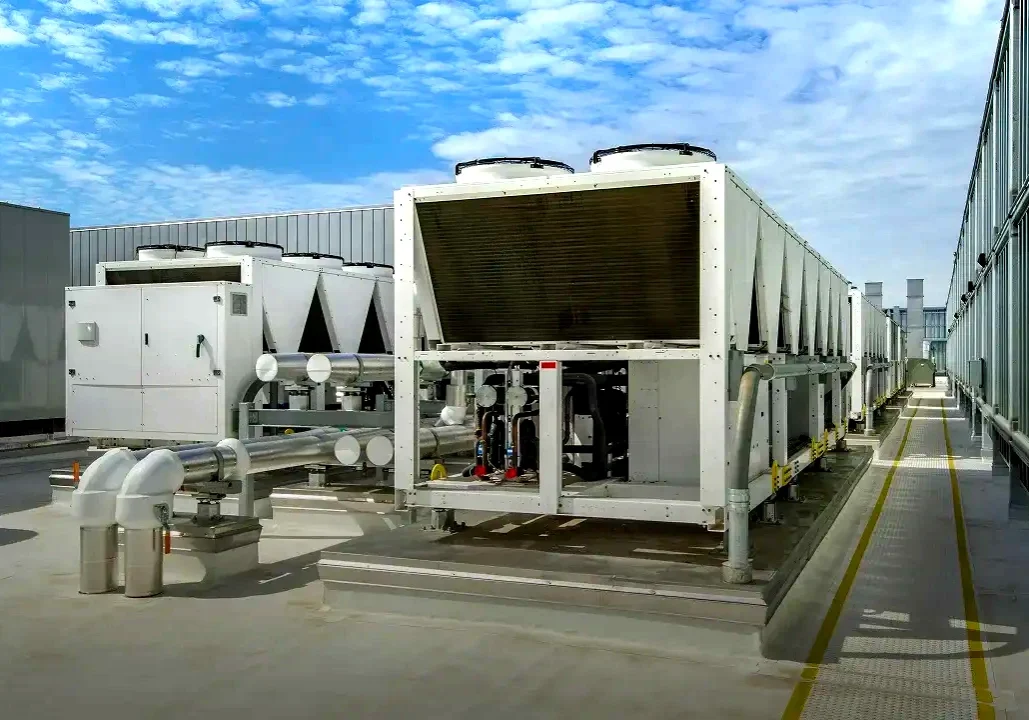
Ask most solar contractors about California's Net Billing Tariff and the answer arrives quickly: you will need batteries. It is not bad advice. It is...
Reading Your Commercial Electric Bill
A commercial electric bill is not one charge. It is several different charges, computed different ways, and solar affects each of them differently. Businesses that...